


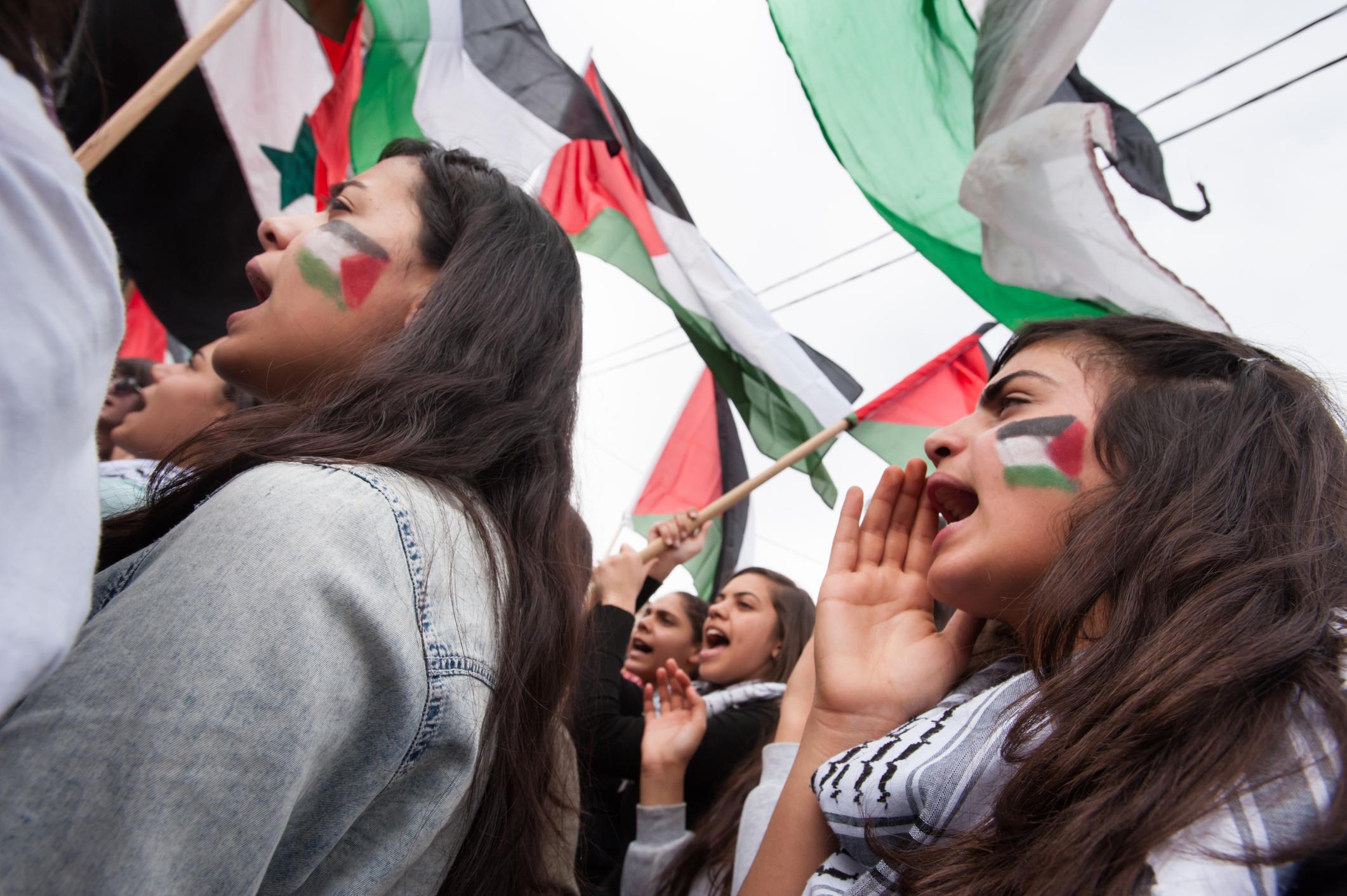


Canadian colleges and universities are entering a period of sustained and increasingly complex protest activity. Global geopolitical instability, polarizing political narratives, and domestic Canadian issues are converging in ways that are reshaping campus security environments nationwide. As highlighted in the BlueSky Risk Intelligence latest assessment, institutions should expect demonstrations, counter-protests, online targeting, and operational disruption to remain a persistent feature of the academic landscape rather than episodic events.
Post-secondary campuses have long functioned as highly visible civic spaces where international developments quickly translate into local action. Student organizations, diaspora communities, and online networks often mobilize rapidly in response to global crises, creating situations that can escalate quickly if not carefully managed. Institutions should anticipate increased protest frequency, movement of demonstrations into surrounding downtown areas, and heightened reputational scrutiny directed at leadership, faculty, and student groups.
Geopolitical Drivers Reshaping Campus Risk
Several international flashpoints continue to act as catalysts for activism across Canadian campuses. Volatility tied to U.S. foreign and domestic policy is forecast to prompt solidarity demonstrations, walkouts, and marches, particularly in major urban centres. While most activity remains peaceful, the primary risk lies in escalation, spontaneous crowd growth, clashes between opposing groups, transportation disruptions, and threats directed at vocal individuals or organizations.
Iran remains a medium-term pressure point, where renewed unrest abroad could quickly spark emotionally charged rallies and advocacy campaigns within Iranian-Canadian student communities. These events may increase demand for safety planning, monitored gatherings, and student support services. Meanwhile, the Israel–Palestine conflict continues to be one of the most persistent and polarizing drivers of campus activism, producing encampments, divestment campaigns, sit-ins, and reputational targeting. Even in the absence of physical violence, intimidation, vandalism, and inflammatory rhetoric remain elevated, particularly when counter-protests occur simultaneously.
Domestic Issues Adding Pressure
Canadian-specific political and social debates are compounding these international drivers. Immigration policy, housing affordability, climate activism, pipeline expansion projects, and discussions around Alberta separatism are all expected to continue generating protest activity with direct campus impacts. Institutions in Alberta and British Columbia, in particular, may see spillover from resource-development disputes and federal-provincial tensions.
Protests increasingly attract participants beyond the student body, raising the risk of disorder and complicating response planning. At the same time, campuses are becoming focal points for online harassment campaigns, misinformation, impersonation of student groups, and opportunistic criminal activity such as vandalism or theft during large gatherings. This convergence of physical demonstrations and digital influence operations represents one of the most consistent threat patterns facing post-secondary institutions today.
Preparing for a Higher Baseline of Activism
Rather than treating demonstrations as isolated incidents, institutions are encouraged to plan for a higher baseline of protest activity and surge conditions linked to triggering geopolitical events. Effective risk management depends less on heavy enforcement and more on disciplined readiness, early visibility into protest planning, proactive engagement with student leaders, clear separation protocols for opposing groups, consistent threat-reporting mechanisms, and transparent communications that protect lawful expression while maintaining safety and academic continuity.
How BlueSky Supports Educational Institutions
BlueSky Risk Intelligence is positioned as a purpose-built capability for universities and colleges operating in this evolving environment. The platform provides early warning of emerging protest planning by tracking coordination, narrative shifts, and group mobilization tied to both international and domestic issues. This advance insight enables leadership teams to make informed decisions around class scheduling, event approvals, staffing levels, communications strategies, and coordination with municipal partners before disruption occurs.
As demonstrations unfold, BlueSky delivers real-time situational awareness on crowd size, movement, intent, escalation indicators, and the presence of counter-protesters, particularly when activity begins to move toward sensitive facilities such as residences, laboratories, libraries, or administrative buildings. Beyond physical activity, BlueSky also monitors online harassment, misinformation campaigns, and targeting of student groups or faculty, helping institutions correlate digital threats with on-the-ground developments and prioritize protective measures.
Staying Ahead of Risk
Geopolitical instability has become a persistent feature of the Canadian campus environment. For colleges and universities navigating this reality, continuous monitoring, advance warning, and real-time intelligence are increasingly essential to meeting duty-of-care obligations, protecting communities, and balancing safety with freedom of expression. By shifting from reactive response to proactive risk management, institutions can reduce disruption and maintain operational resilience in a rapidly evolving threat landscape.
If you would like to receive a copy of our assessment or learn more about how BlueSky can support your organization, please contact our team directly at blueskynoreply@paladinrisksolutions.com